
Veterinary Ophthalmology in Marina Del Rey
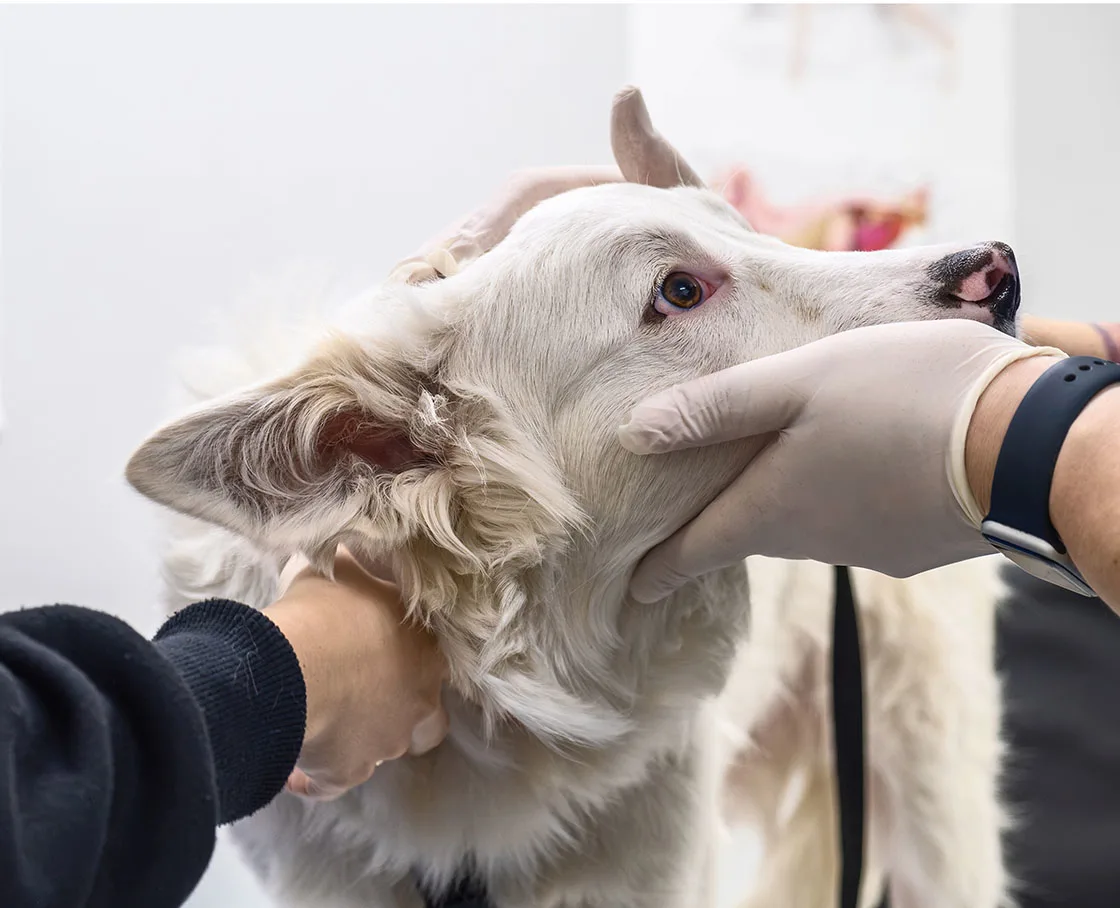
Veterinary ophthalmology focuses on diagnosing and treating diseases, injuries, and abnormalities affecting an animal’s eyes, vision, eyelids, and surrounding structures.
At Shane Veterinary Medical Center, a board-certified veterinary ophthalmologist from OcuVet provides advanced on-site care for pets with complex eye conditions. Appointments are coordinated and scheduled through Shane Veterinary Medical Center for OcuVet.
Our ophthalmology specialist provides advanced eye care designed to relieve discomfort, protect eye health, and preserve vision whenever possible. We work closely with pet owners, and your primary Shane Veterinary Medical Center veterinarian to develop individualized diagnostic and treatment plans.
What Is Veterinary Ophthalmology?
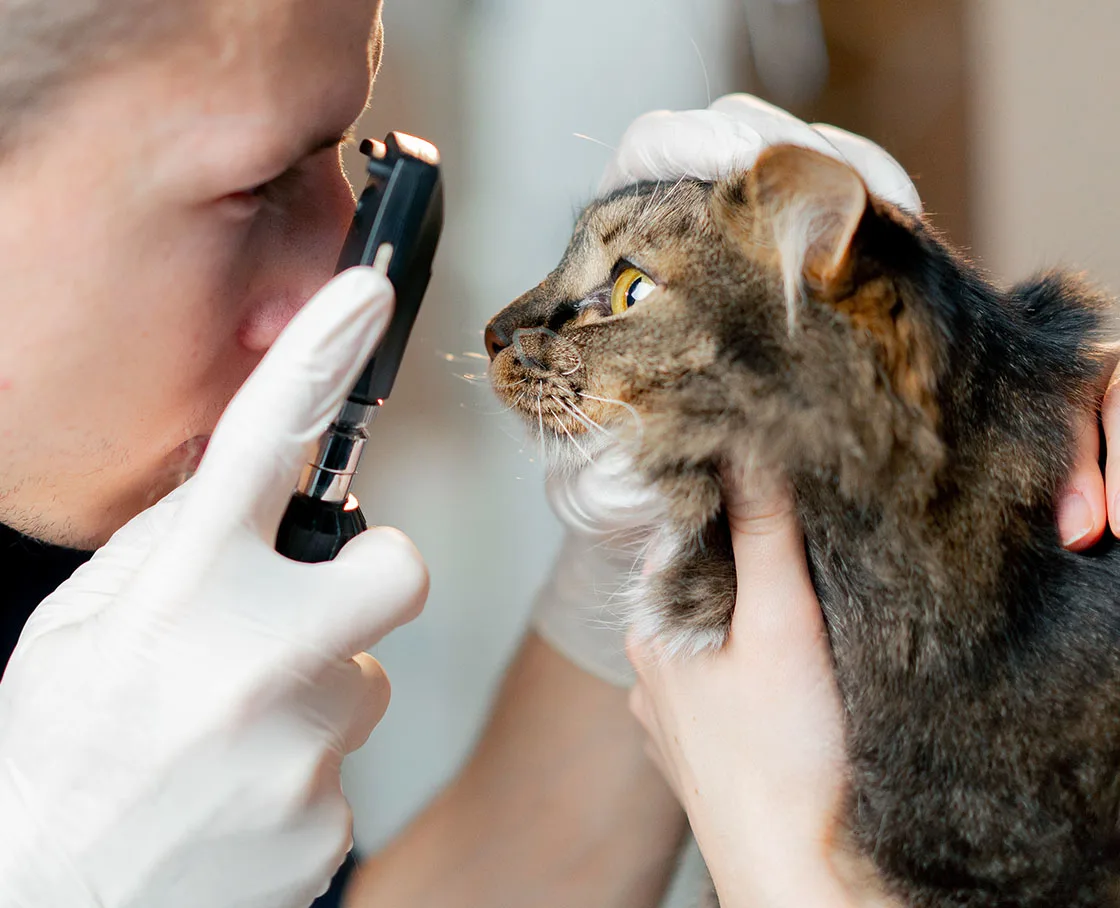
Veterinary ophthalmology is a specialty dedicated to the medical and surgical care of the eyes and related structures. This includes the cornea, lens, retina, eyelids, tear ducts, conjunctiva, optic nerve, and tissues surrounding the eye.
Eye problems can progress quickly, and some conditions can cause permanent vision loss if treatment is delayed. Early evaluation can help identify the cause, relieve discomfort, and determine whether medication, monitoring, or surgery is appropriate.
What Is a Board-Certified Veterinary Ophthalmologist?
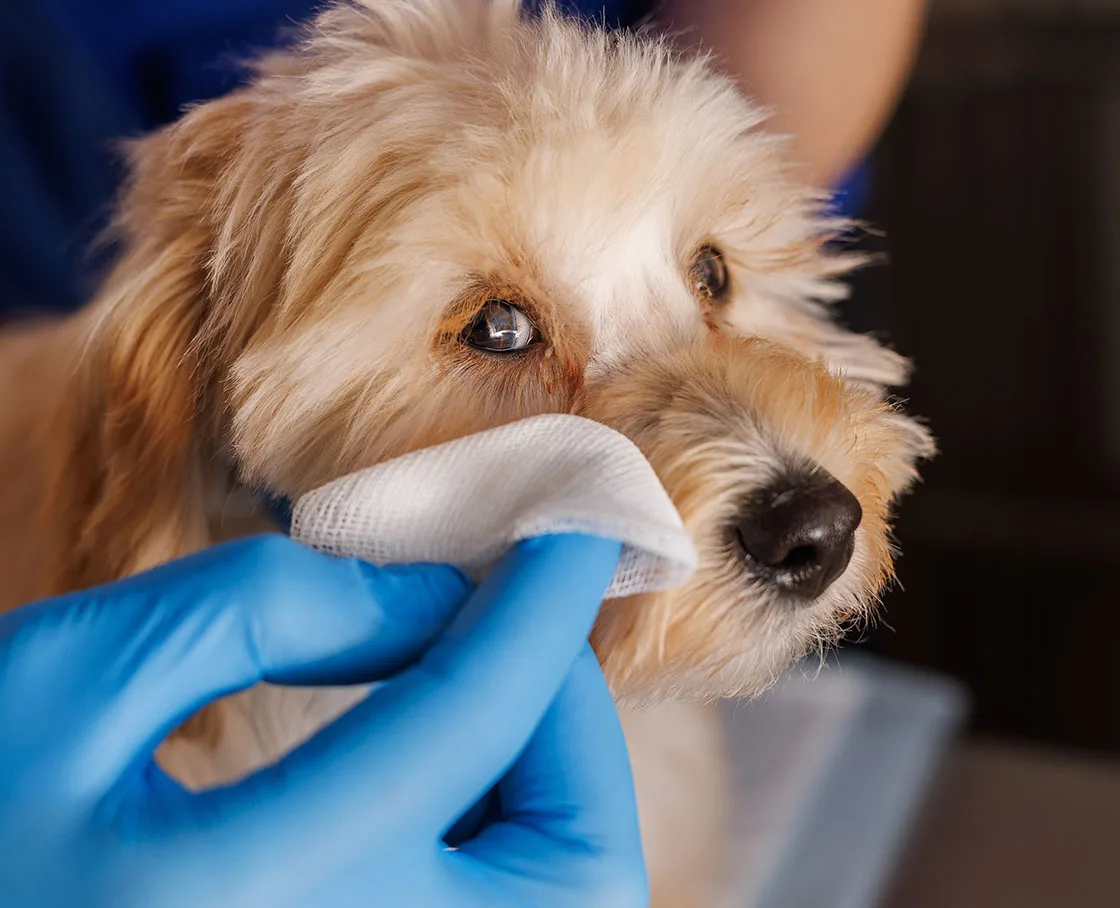
A board-certified veterinary ophthalmologist is a veterinarian who has completed veterinary school, additional clinical training, an ophthalmology residency, and certification examinations administered by the American College of Veterinary Ophthalmologists. Passing these rigorous board exams officially makes your veterinarian a specialist, earning them the title of 'Diplomate' and the trusted 'DACVO' credentials.
This advanced training focuses specifically on diagnosing and treating animal eye diseases and performing specialized ophthalmic procedures and surgery.
When Should a Pet See a Veterinary Ophthalmologist?
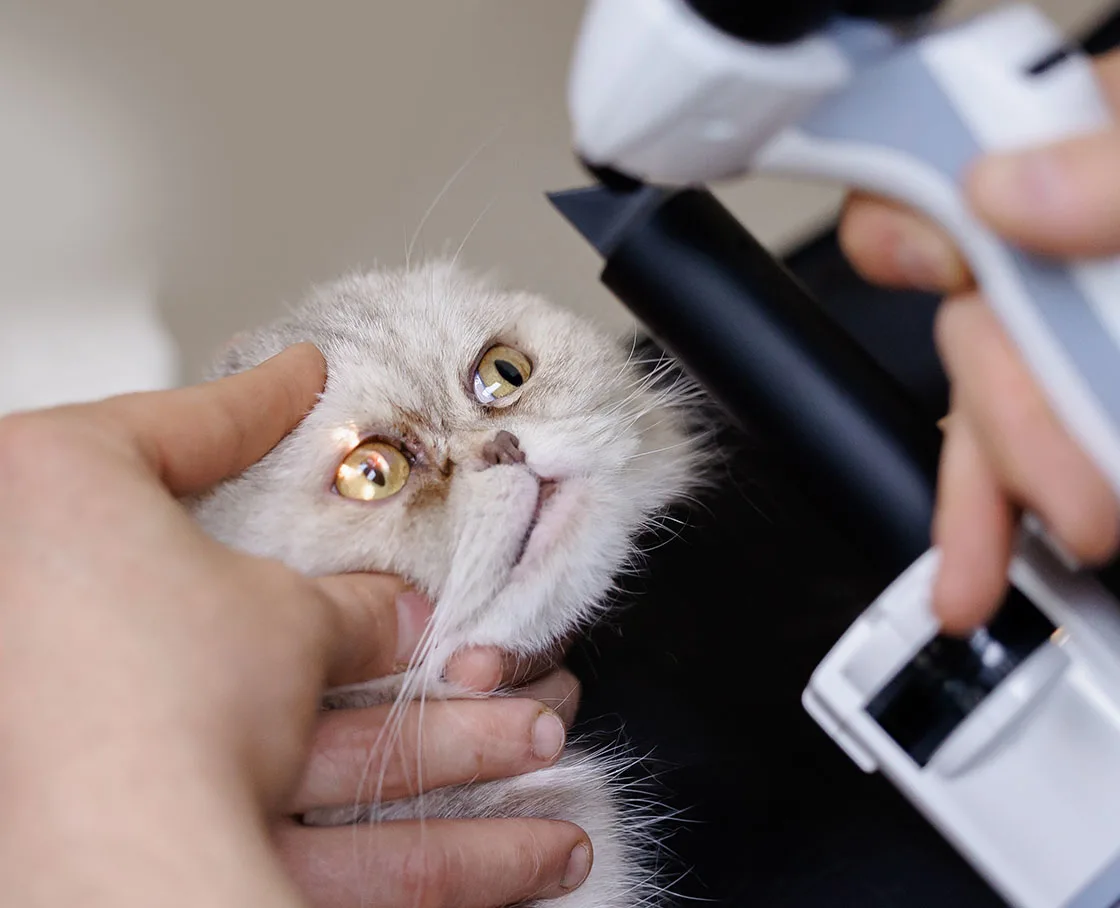
Your primary care veterinarian may recommend an ophthalmology consultation when your pet has an eye condition that requires advanced testing, specialized treatment, or surgery.
Signs that can indicate an eye problem include:
Redness
Squinting or holding an eye closed
Eye rubbing or pawing
Excessive tearing
Eye discharge
Tear-stained fur
Cloudiness
Swelling around the eye
A change in eye color
A visible or elevated third eyelid
An enlarged or unusually shaped eye
Sensitivity to light
Difficulty navigating familiar surroundings
Bumping into objects
Gradual or sudden vision loss
An eye injury or suspected foreign material
An eye condition that has not responded to treatment
Eye problems can be painful even when an animal does not show obvious signs of discomfort.
Sudden vision loss, significant trauma, chemical exposure, an eye protruding from its socket, severe squinting, or a rapidly cloudy or enlarged eye requires urgent veterinary attention.
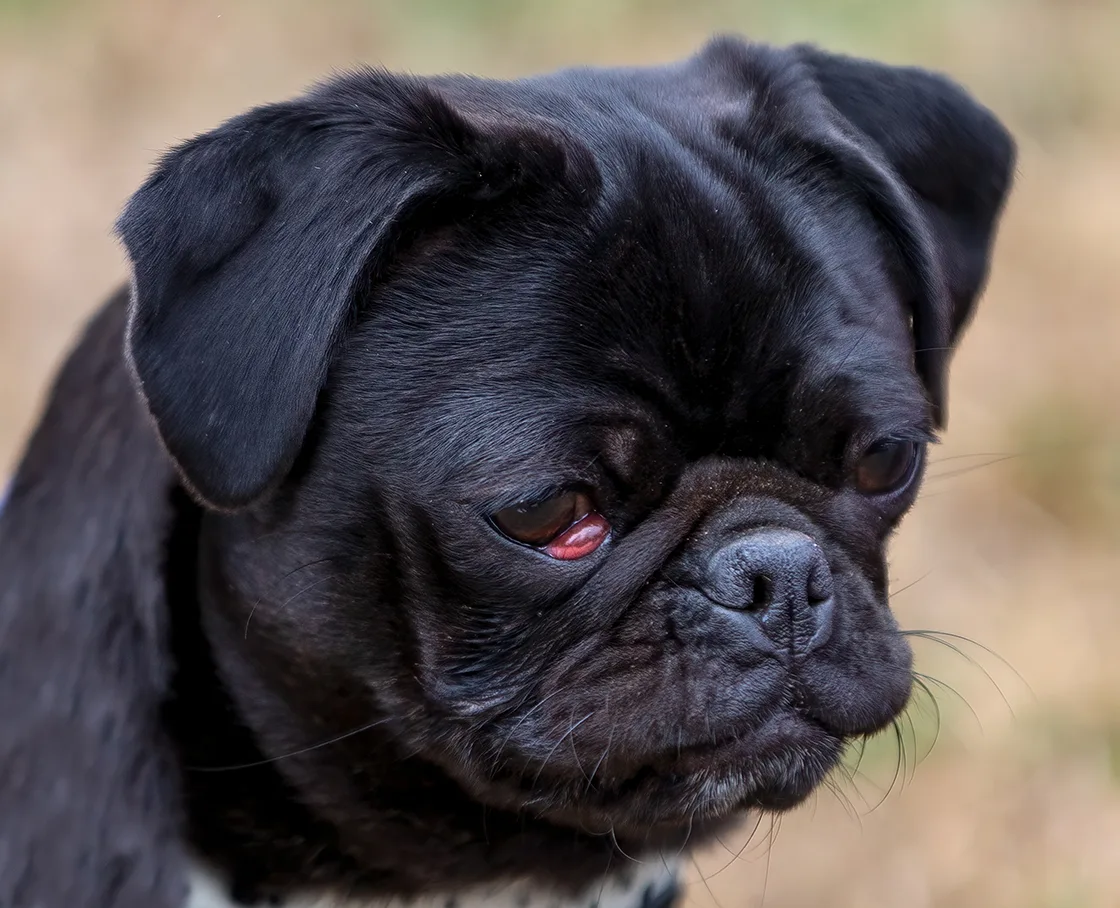
Eye Conditions Treated by Veterinary Ophthalmologists
Veterinary ophthalmologists diagnose and manage conditions such as:
Cataracts
Glaucoma
Corneal ulcers, wounds, and abrasions
Dry eye
Uveitis
Eye infections
Eyelid and eyelash abnormalities
Cherry eye
Lens luxation
Retinal disease or detachment
Optic nerve disease
Inherited eye disease
Tear-duct disorders
Iris cysts
Eye and eyelid tumors
Orbital disease
Ocular inflammation
Traumatic eye injuries
Gradual or sudden vision loss
Some conditions can be managed with medication, while others require a specialized procedure or surgery.
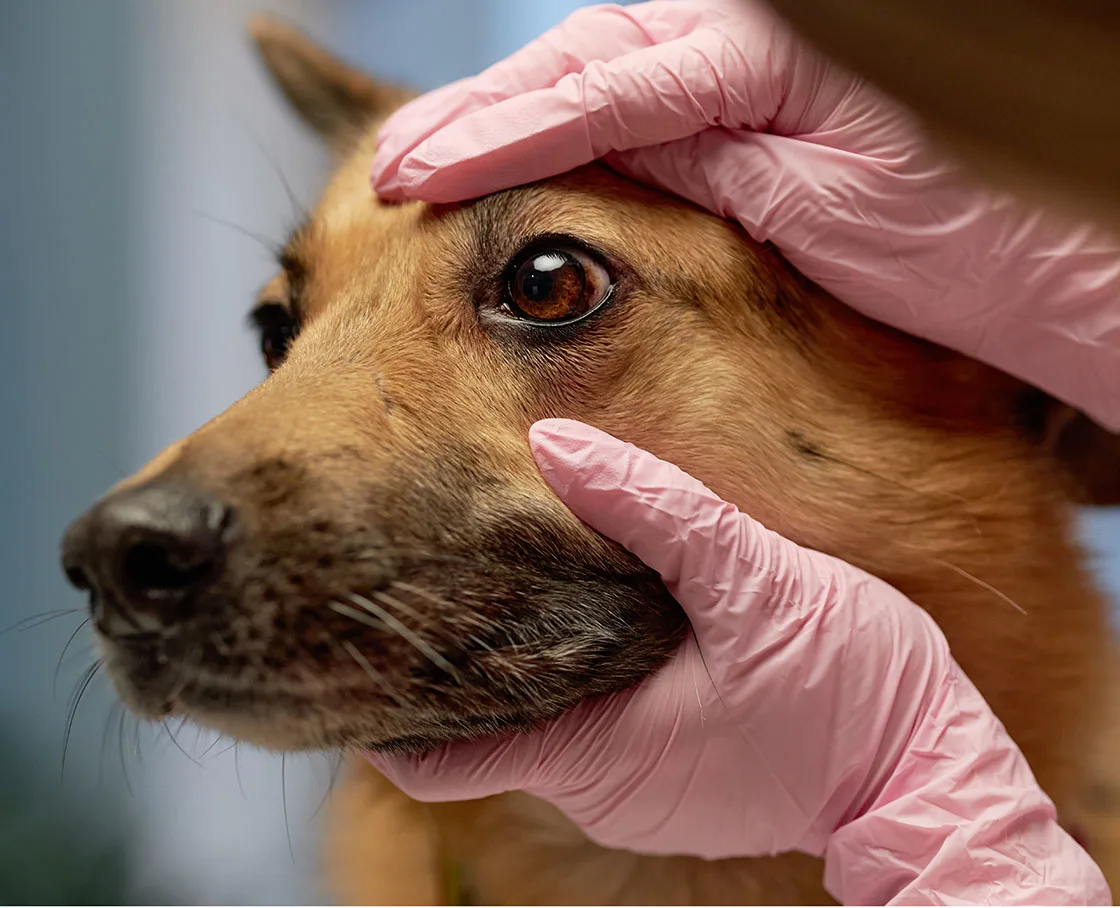
Diagnosing and Treating Eye Conditions
An ophthalmology evaluation begins with a review of your pet’s symptoms, medical history, medications, and previous eye treatments. The ophthalmologist will then examine the eyes, eyelids, tear production, eye pressure, vision, and structures at the front and back of the eye.
Based on the examination, additional testing can be recommended to evaluate the retina, tear ducts, cornea, optic nerve, eye socket, or other ocular structures.
The ophthalmology services available at Shane Veterinary Medical Center include:
- Ophthalmology services provided by OcuVet
Medical and Surgical Eye Care
Treatment depends on the diagnosis and severity of the condition. An ophthalmology treatment plan can involve:
Prescription eye drops or ointments
Oral medication
Treatment of infection or inflammation
Tear-production support
Eye-pressure management
Protective collars or eye protection
Monitoring of progressive or inherited disease
Specialized laser or cryotherapy procedures
Cataract surgery
Corneal or conjunctival repair
Eyelid or eyelash correction
Glaucoma procedures
Retinal procedures
Removal of a painful or severely damaged eye
Follow-up examinations and testing
When vision cannot be restored, treatment can still help relieve pain, protect the remaining eye, and support the animal’s quality of life.
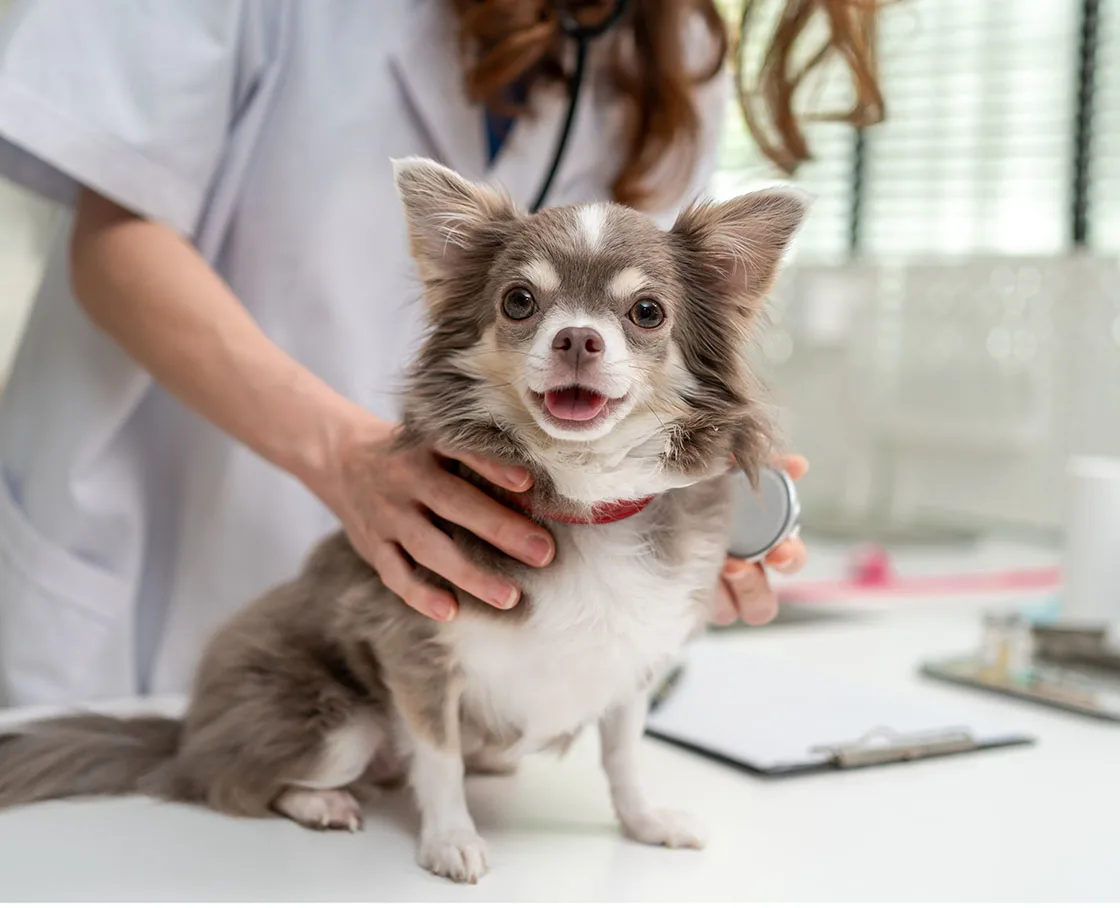
What to Expect During an Ophthalmology Appointment
During the initial visit, the ophthalmology team will collect a detailed history and review your pet’s current eye and oral medications. Several noninvasive tests can be performed before the ophthalmologist completes a comprehensive eye examination.
Depending on the findings, the ophthalmologist will discuss:
The diagnosis or possible causes
Additional testing
Medical and surgical treatment options
Medication instructions
Expected outcomes
At-home care
Follow-up examinations
Signs that require urgent attention
The ophthalmology team can also share its findings and recommendations with your pet’s primary care veterinarian to help coordinate care.
Frequently Asked Questions
What does a veterinary ophthalmologist do?
A veterinary ophthalmologist diagnoses and treats diseases, injuries, and abnormalities affecting an animal’s eyes and vision. Care can involve advanced diagnostic testing, medication, specialized procedures, or eye surgery.
Why was my pet referred to an ophthalmologist?
Your veterinarian may recommend an ophthalmologist when an eye condition requires specialized equipment, advanced testing, surgery, or treatment beyond routine veterinary eye care.
Does my pet need a referral for an ophthalmology appointment?
Referral requirements differ by hospital. Some ophthalmology services require a veterinary referral, while others accept direct appointment requests.
What are the signs of an eye problem in pets?
Common signs include redness, squinting, discharge, tearing, cloudiness, swelling, eye rubbing, color changes, visible eyelid abnormalities, difficulty navigating, or vision loss.
When is an eye problem an emergency?
Sudden vision loss, severe eye pain, significant trauma, chemical exposure, an eye protruding from its socket, or a rapidly cloudy, swollen, or enlarged eye requires urgent veterinary attention.
What happens during a veterinary eye examination?
The ophthalmology team reviews the patient’s history and evaluates vision, tear production, eye pressure, the corneal surface, lens, retina, and other internal and external eye structures. Additional testing is recommended when needed.
Are veterinary eye tests painful?
Most routine ophthalmic tests are quick and minimally invasive. Some pets experience brief sensitivity during eye-pressure testing, staining, or tear testing, but these procedures are generally well tolerated.
Will my pet need sedation for an eye examination?
Most pets do not require sedation for a routine eye examination. Sedation or anesthesia can be needed for certain diagnostic procedures, painful injuries, surgery, or patients unable to remain safely positioned.
Can cataracts in pets be treated?
Cataract surgery can restore functional vision in appropriately selected patients. The ophthalmologist will evaluate the retina, eye pressure, overall eye health, and general health before determining whether surgery is an option.
Can glaucoma cause blindness in pets?
Yes. Glaucoma can damage the retina and optic nerve and can cause permanent vision loss. It can also be painful, so rapid diagnosis and pressure management are important.
What is dry eye in pets?
Dry eye, also called keratoconjunctivitis sicca, occurs when the eyes do not produce enough tears. It can cause redness, discharge, irritation, corneal damage, and discomfort and often requires ongoing treatment.
Can corneal ulcers heal with medication?
Many superficial corneal ulcers heal with appropriate medication and protection from rubbing. Deep, infected, or nonhealing ulcers require additional procedures or surgery to protect the eye.
Will my pet need eye surgery?
Not every eye condition requires surgery. The ophthalmologist will recommend surgery when it offers the best opportunity to restore vision, relieve pain, repair an injury, or protect the eye.
Can animals adapt to vision loss?
Many animals adapt well to partial or complete vision loss, particularly when the change occurs gradually and their home environment remains consistent. The ophthalmology team can recommend ways to improve safety and confidence.
Will the ophthalmologist communicate with my pet’s regular veterinarian?
Veterinary ophthalmologists commonly share examination findings, test results, treatment recommendations, and follow-up instructions with the primary care veterinarian to support coordinated care.
Book an Appointment at Shane Veterinary Medical Center
New pets are always welcome at Shane Veterinary Medical Center. Our friendly veterinary staff looks forward to providing our neighbors in the area and surrounding communities with the veterinary care they need.
