
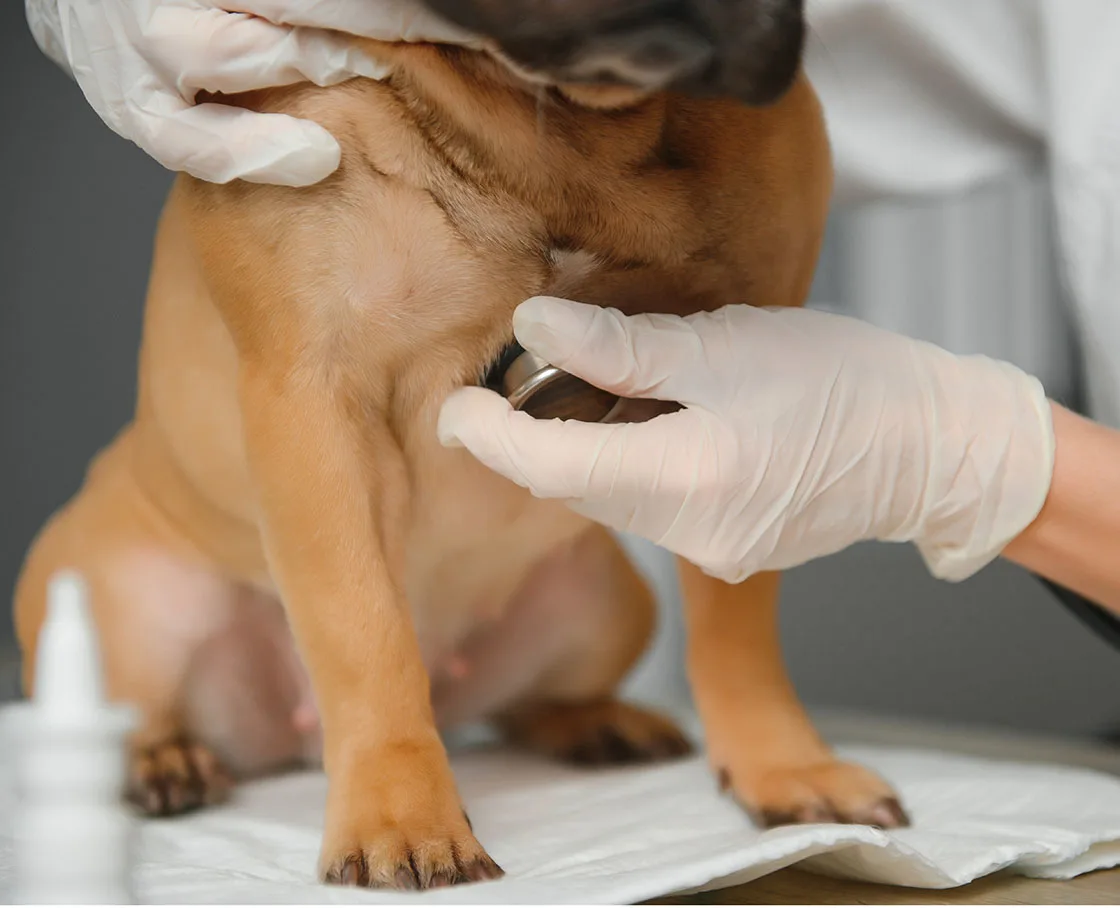
Veterinary Cardiology in Marina Del Rey
Veterinary cardiology focuses on diagnosing and treating conditions affecting a pet’s heart and circulatory system. Heart disease can be present at birth, develop over time, or occur secondary to another health condition.
At Shane Veterinary Medical Center, your pet will be seen by a board-certified veterinary cardiologist from CardiacVet, who specializes in the diagnosis and treatment of cardiovascular diseases in cats and dogs. Appointments are coordinated and scheduled through Shane Veterinary Medical Center for CardiaVet.
At Shane Veterinary Medical Center, Dr. Saelinger with CardiacVet provides advanced cardiovascular evaluations and individualized treatment recommendations for pets with known or suspected heart disease. She works closely with pet owners and your primary care veterinarian to support accurate diagnosis, ongoing disease management, and each pet’s quality of life.
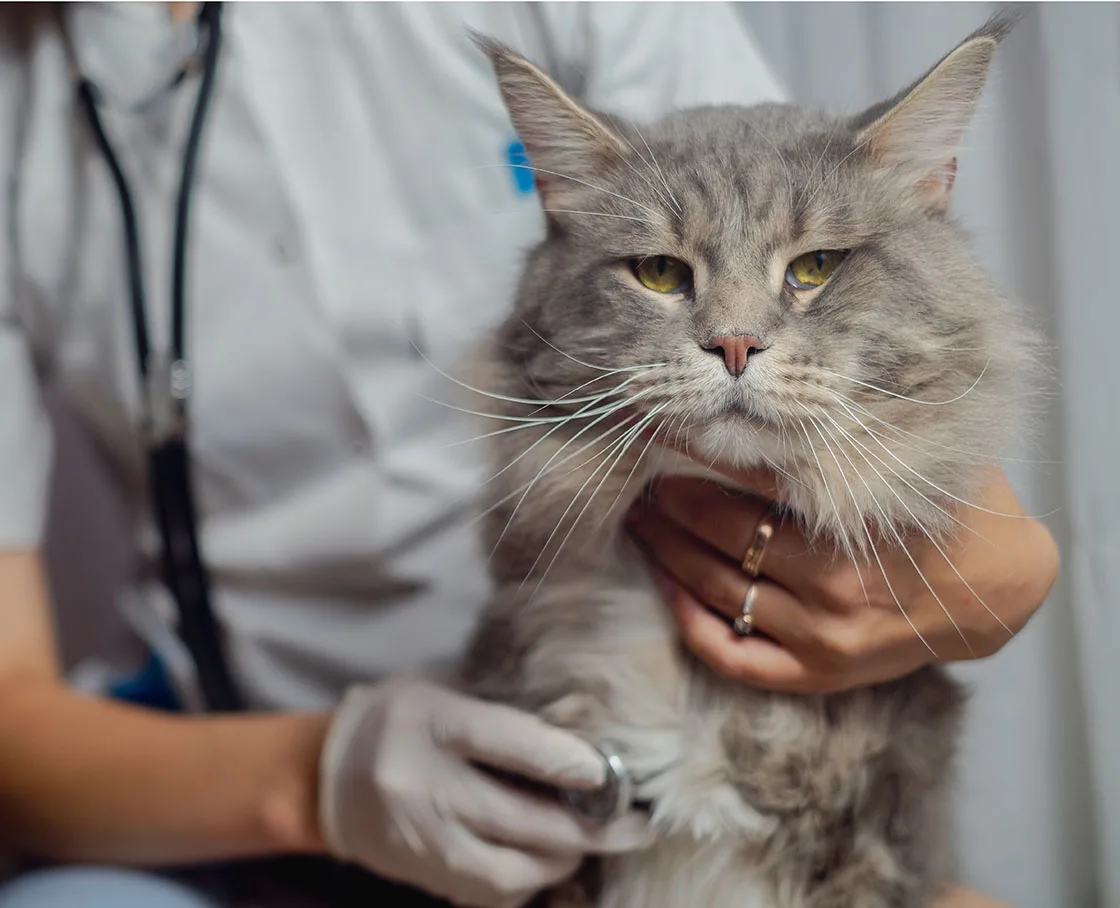
What Is Veterinary Cardiology?
Veterinary cardiology is a specialty dedicated to diseases involving the heart, heart valves, blood vessels, and circulation.
A veterinary cardiologist has advanced training in identifying and managing congenital and acquired cardiovascular conditions. Depending on the patient’s needs, cardiology care may include diagnostic imaging, heart-rhythm monitoring, medication management, minimally invasive procedures, or ongoing evaluations to monitor disease progression.

What Is a Board-Certified Veterinary Cardiologist?
A board-certified veterinary cardiologist is a veterinarian who has completed veterinary school, additional clinical training, a cardiology residency, and certification examinations administered by the American College of Veterinary Internal Medicine. Passing these rigorous board exams officially makes your veterinarian a specialist, earning them the title of 'Diplomate' and the trusted 'DACVIM' credentials.
This advanced training focuses on the diagnosis and treatment of diseases involving the heart and circulatory system. Veterinary cardiologists also work collaboratively with primary care veterinarians and other specialists when a patient has multiple or complex medical needs.
When Should a Pet See a Veterinary Cardiologist?
Your primary care veterinarian may recommend a cardiology evaluation after detecting a heart murmur, irregular heartbeat, abnormal diagnostic result, or other possible sign of cardiovascular disease.
Reasons a pet may be referred to a veterinary cardiologist include:
A newly detected or changing heart murmur
An irregular, unusually fast, or unusually slow heartbeat
Difficulty breathing or increased breathing effort
Rapid breathing while resting or sleeping
Persistent coughing
Weakness, fainting, or collapse
Reduced stamina or exercise intolerance
Abdominal swelling or fluid accumulation
High blood pressure
An enlarged or unusually shaped heart on an X-ray
A suspected congenital heart defect
Abnormal cardiac blood-test results
A breed-associated risk of heart disease
The need for cardiovascular evaluation before anesthesia
Monitoring of a previously diagnosed heart condition
Assessment before breeding or breed-health certification
These signs do not always mean that a pet has heart disease. A cardiovascular evaluation can help determine whether the symptoms involve the heart, lungs, or another part of the body.
Difficulty breathing, collapse, or blue, gray, or very pale gums may indicate an emergency and require immediate veterinary care.

Heart Conditions in Dogs and Cats
Veterinary cardiologists diagnose and manage congenital and acquired cardiovascular conditions, including:
Congestive heart failure
Degenerative heart-valve disease
Mitral valve disease
Hypertrophic cardiomyopathy
Dilated cardiomyopathy
Restrictive cardiomyopathy
Congenital heart defects
Cardiac arrhythmias
Systemic hypertension
Pulmonary hypertension
Pericardial disease or pericardial effusion
Cardiac tumors
Heartworm-related cardiovascular disease
Diseases affecting the heart muscle
Diseases affecting the blood vessels
The heart conditions commonly seen in dogs and cats are not always the same. Diagnostic and treatment recommendations are based on the individual patient’s species, breed, age, symptoms, and overall health.
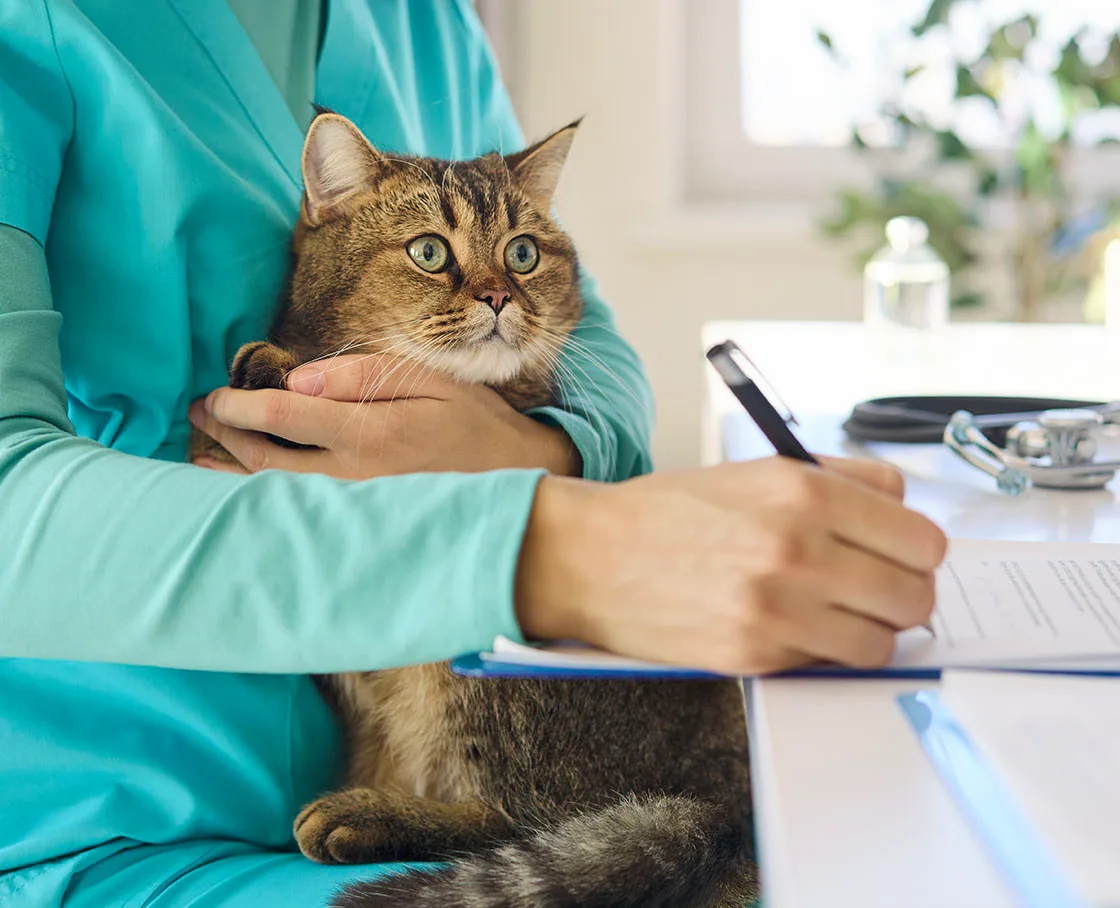
Diagnosing Heart Disease in Pets
A cardiology evaluation generally begins with a review of your pet’s symptoms, medical history, current medications, previous test results, and activity level, followed by a physical examination of your pet’s heart and lungs.
Based on the initial findings, our team may recommend further diagnostic testing or services, such as:
- Cardiology services provided by CardiacVet
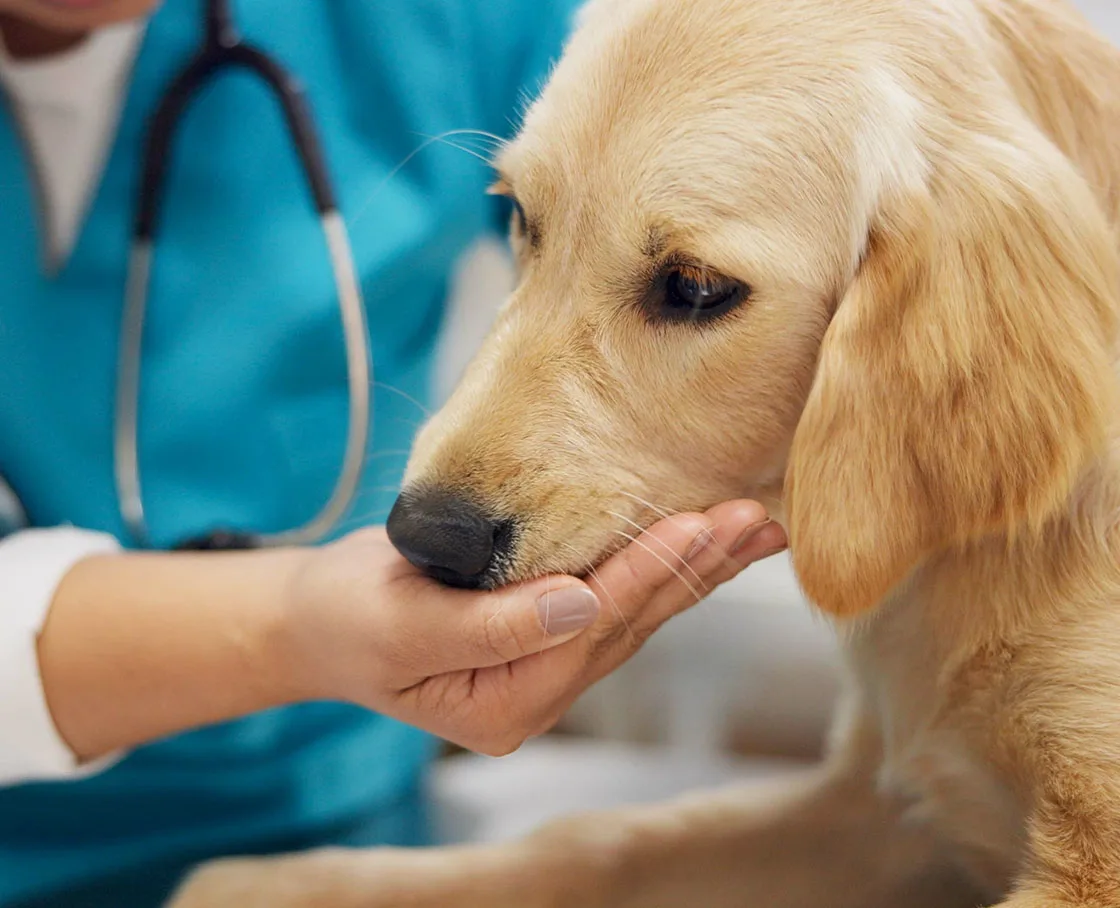
Treating and Managing Heart Disease
Treatment depends on the type and severity of heart disease, whether symptoms are present, and the pet’s overall health. Some heart conditions require monitoring only, while others require medication, a procedure, or ongoing specialist care.
A cardiology treatment plan may include:
Medications to support heart function
Medications to manage fluid accumulation
Treatment for an abnormal heart rhythm
Blood-pressure management
Activity recommendations
Nutritional or sodium recommendations
At-home monitoring instructions
Follow-up diagnostic testing
Minimally invasive cardiac procedures
Pacemaker placement or monitoring
Coordination with the primary care veterinarian
Emergency instructions for worsening symptoms
Many heart diseases cannot be permanently cured, but appropriate treatment and monitoring may help manage symptoms, slow progression, and support a pet’s comfort and quality of life. Certain congenital defects and rhythm abnormalities may be treated through specialized procedures when appropriate.

What to Expect During a Cardiology Appointment
During your pet’s initial appointment, the cardiology team will review their medical history, medications, previous diagnostic results, and current symptoms. The cardiologist will perform a cardiovascular examination, which typically includes listening to the heart and lungs, evaluating pulse quality, and looking for signs of circulation or fluid-related changes.
Additional testing may be recommended based on the examination and your pet’s medical history. After the evaluation, the cardiologist will discuss the findings, recommended treatment, at-home monitoring, and follow-up care.
Whenever possible, the cardiology team will communicate its findings and recommendations to your pet’s primary care veterinarian so everyone involved in your pet’s care has consistent information.
Frequently Asked Questions
What does a veterinary cardiologist do?
A veterinary cardiologist diagnoses and treats diseases affecting an animal’s heart and circulatory system. Cardiology care may include specialized imaging, heart-rhythm evaluation, medication management, minimally invasive procedures, and long-term monitoring.
What is the difference between a veterinary cardiologist and a primary care veterinarian?
Primary care veterinarians diagnose and manage many common heart conditions. Veterinary cardiologists complete additional specialty training focused specifically on complex cardiovascular diseases, advanced cardiac diagnostics, and specialized treatment procedures.
Does my pet need a referral to see a veterinary cardiologist?
Referral requirements differ by hospital. Some cardiology practices require or request a referral from your primary care veterinarian, while others accept direct appointments.
Why was my pet referred to a cardiologist for a heart murmur?
A heart murmur is an unusual sound caused by turbulent blood flow. A murmur may be harmless or associated with a structural heart condition. A cardiology evaluation and echocardiogram can help determine its cause and clinical significance.
Does a heart murmur mean my pet has heart failure?
No. A heart murmur is a sound, not a diagnosis, and it does not automatically mean a pet is experiencing heart failure. Additional evaluation may be needed to determine whether heart disease is present and whether treatment or monitoring is recommended.
What are common signs of heart disease in pets?
Possible signs include difficulty breathing, rapid resting respiration, coughing, reduced stamina, weakness, fainting, collapse, abdominal swelling, poor appetite, or pale or blue-gray gums. Some pets with heart disease show no obvious symptoms during the early stages.
Do cats and dogs show the same signs of heart disease?
Not always. Dogs with heart disease may develop coughing or reduced exercise tolerance. Cats may hide symptoms and are more likely to show rapid or labored breathing, weakness, decreased appetite, or sudden mobility problems. Any breathing difficulty should be treated as urgent.
What tests does a veterinary cardiologist perform?
Common tests include echocardiography, electrocardiography, chest X-rays, blood-pressure measurement, bloodwork, and ambulatory ECG monitoring. The tests recommended will depend on the pet’s symptoms, examination findings, and suspected condition.
What is the difference between an echocardiogram and an ECG?
An echocardiogram uses ultrasound to show the heart’s structure, movement, valves, and blood flow. An ECG records the heart’s electrical activity and is primarily used to evaluate heart rate and rhythm.
Is an echocardiogram painful?
An echocardiogram is noninvasive and generally not painful. Most pets remain awake for the examination. A small amount of fur may be clipped to improve image quality, and light sedation may occasionally be recommended for a pet that is especially anxious or unable to remain still.
Can heart disease in pets be cured?
Some congenital heart defects and rhythm abnormalities can be corrected or substantially improved with specialized procedures. Many acquired heart diseases cannot be cured but can often be managed with medication, monitoring, and appropriate lifestyle recommendations.
How is heart disease treated in dogs and cats?
Treatment depends on the diagnosis and may include medication, activity adjustments, nutritional recommendations, at-home monitoring, follow-up testing, or a specialized procedure. Not every pet with heart disease needs immediate medication.
Can my pet still exercise after being diagnosed with heart disease?
Exercise recommendations depend on the type and severity of the condition. Some pets can continue normal or moderately adjusted activity, while others require restrictions. Follow the individualized guidance provided by your veterinarian or cardiologist.
How should I monitor a pet with heart disease at home?
Your veterinary team may ask you to monitor breathing rate and effort, coughing, appetite, energy, medication response, fainting, or abdominal swelling. Ask which changes should prompt a routine call and which require emergency care.
When is a heart condition an emergency?
Seek immediate veterinary care if your pet is struggling to breathe, collapses, becomes suddenly weak, develops blue or gray gums, or experiences a sudden inability to use one or more limbs. If you are uncertain, contact a veterinary emergency hospital for guidance.
Will the cardiologist communicate with my pet’s regular veterinarian?
Veterinary cardiologists commonly work collaboratively with primary care veterinarians. The cardiology team may provide diagnostic findings, treatment recommendations, medication information, and follow-up plans so care can be coordinated.
How often will my pet need cardiology follow-up appointments?
Follow-up frequency depends on the diagnosis, disease severity, medications, and response to treatment. Some pets require only periodic monitoring, while others need more frequent evaluations and repeat testing.
Book an Appointment at Shane Veterinary Medical Center
New pets are always welcome at Shane Veterinary Medical Center. Our friendly veterinary staff looks forward to providing our neighbors in the area and surrounding communities with the veterinary care they need.
