
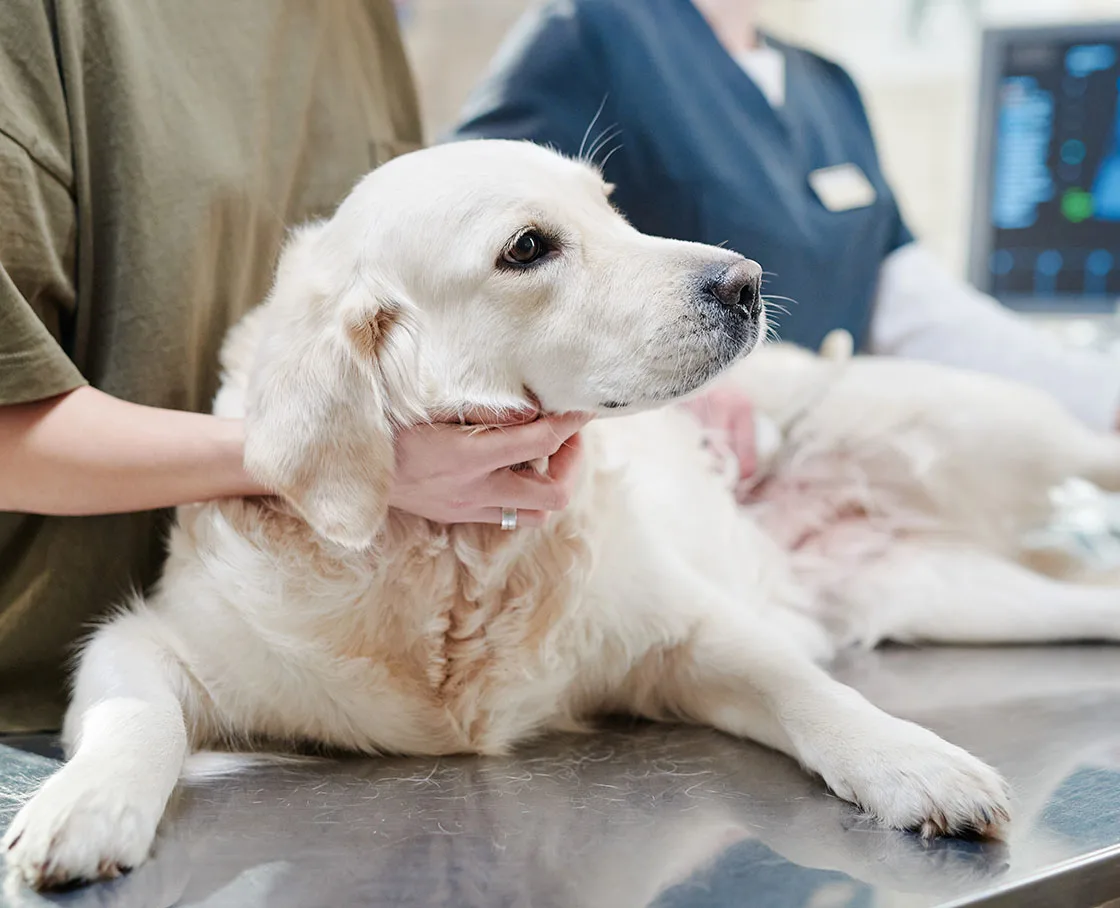
Veterinary Internal Medicine in Marina Del Rey
Veterinary internal medicine focuses on diagnosing and managing complex, chronic, or difficult-to-identify conditions affecting a pet’s internal organs and bodily systems.
At Shane Veterinary Medical Center, a board-certified veterinary internal medicine specialist from WAVES Mobile ACVIM provides advanced on-site care for pets with complex medical conditions. Appointments are coordinated and scheduled through Shane Veterinary Medical Center for Waves Mobile ACVIM.
Dr. Karen Eiler, MS, MS, DVM, DACVIM, will evaluate pets with challenging health concerns and develops individualized diagnostic and treatment plans. We work closely with pet owners, your primary Shane Veterinary Medical Center veterinarian, and others to provide coordinated care based on each patient’s needs.

What Is Veterinary Internal Medicine?
Veterinary internal medicine addresses diseases involving the body’s internal systems, including the gastrointestinal, urinary, respiratory, endocrine, immune, hematologic, hepatic, and pancreatic systems.
Because these systems are interconnected, pets with internal disease sometimes experience symptoms affecting several parts of the body. Veterinary internists are trained to investigate these complicated cases, interpret advanced diagnostic results, and manage conditions requiring specialized or long-term care.
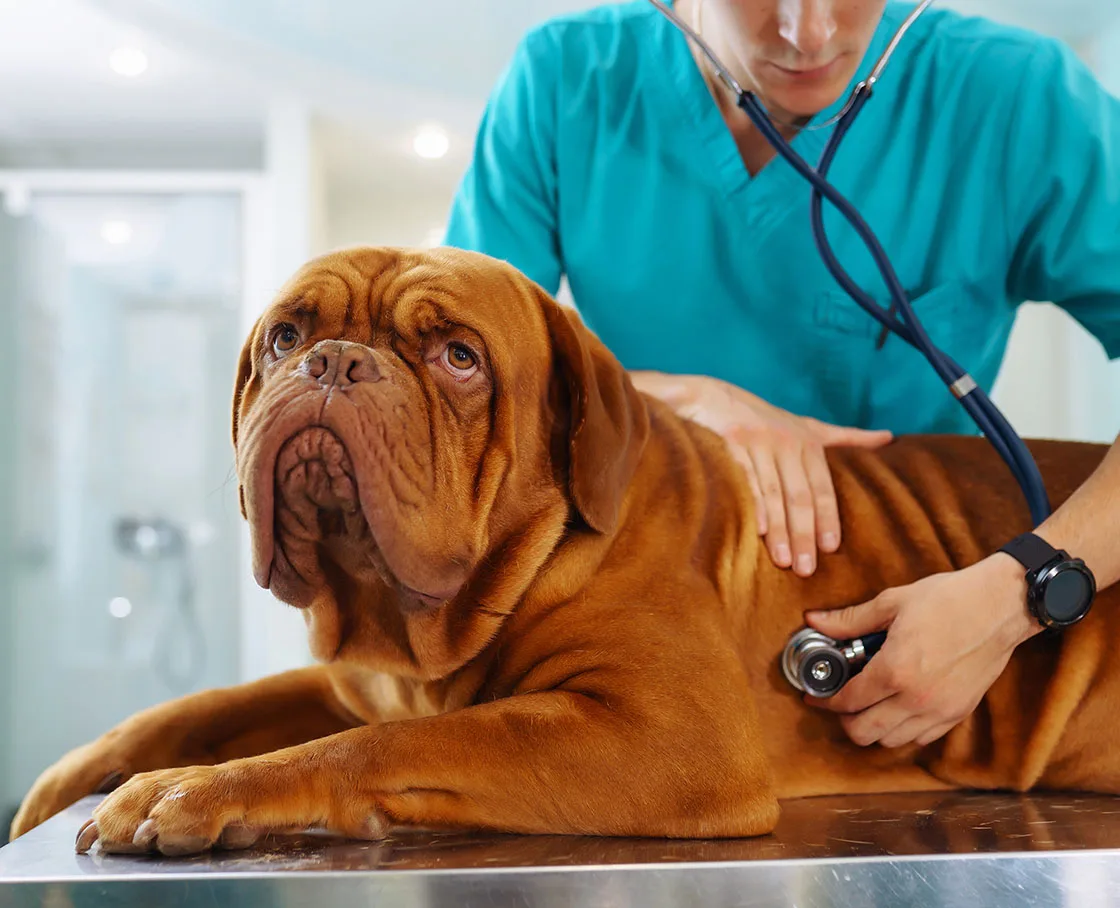
What Is a Board-Certified Veterinary Internal Medicine Specialist?
A board-certified veterinary internal medicine specialist, also called a veterinary internist, is a veterinarian who has completed veterinary school, additional clinical training, an internal medicine residency, and certification examinations administered by the American College of Veterinary Internal Medicine. Passing these rigorous board exams officially makes your veterinarian a specialist, earning them the title of 'Diplomate' and the trusted 'DACVIM' credentials.
This advanced training focuses on diagnosing and treating complex diseases affecting the internal organs and bodily systems. Internists frequently collaborate with primary care veterinarians and specialists in surgery, oncology, cardiology, neurology, radiology, and critical care.
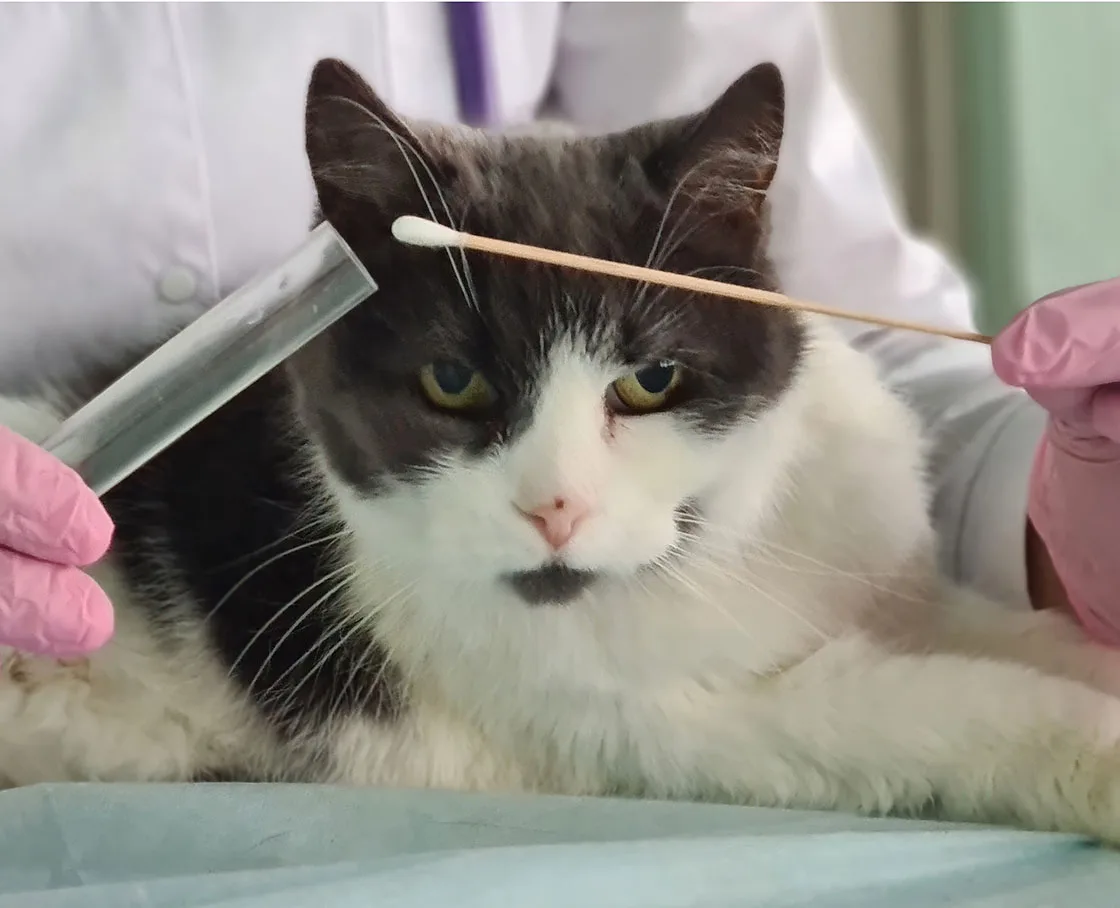
When Should a Pet See an Internal Medicine Specialist?
A primary care veterinarian may recommend an internal medicine consultation when a pet has:
Persistent or unexplained symptoms
Abnormal laboratory or imaging results
A condition that has not responded as expected to treatment
A disease involving multiple organs or bodily systems
A chronic condition requiring specialized management
Recurrent vomiting or diarrhea
Unexplained weight loss
Significant changes in appetite or thirst
Frequent or difficult urination
Chronic coughing or breathing problems
Persistent fever
Weakness, lethargy, or exercise intolerance
Anemia or another suspected blood disorder
Jaundice
Recurrent infections
A suspected endocrine or immune-mediated disease
A need for advanced diagnostic testing or minimally invasive procedures
These symptoms can have many possible causes. An internal medicine evaluation is designed to investigate the underlying problem and determine the most appropriate next steps.
Severe breathing difficulty, collapse, uncontrolled bleeding, repeated seizures, extreme weakness, or unresponsiveness requires immediate emergency veterinary care.
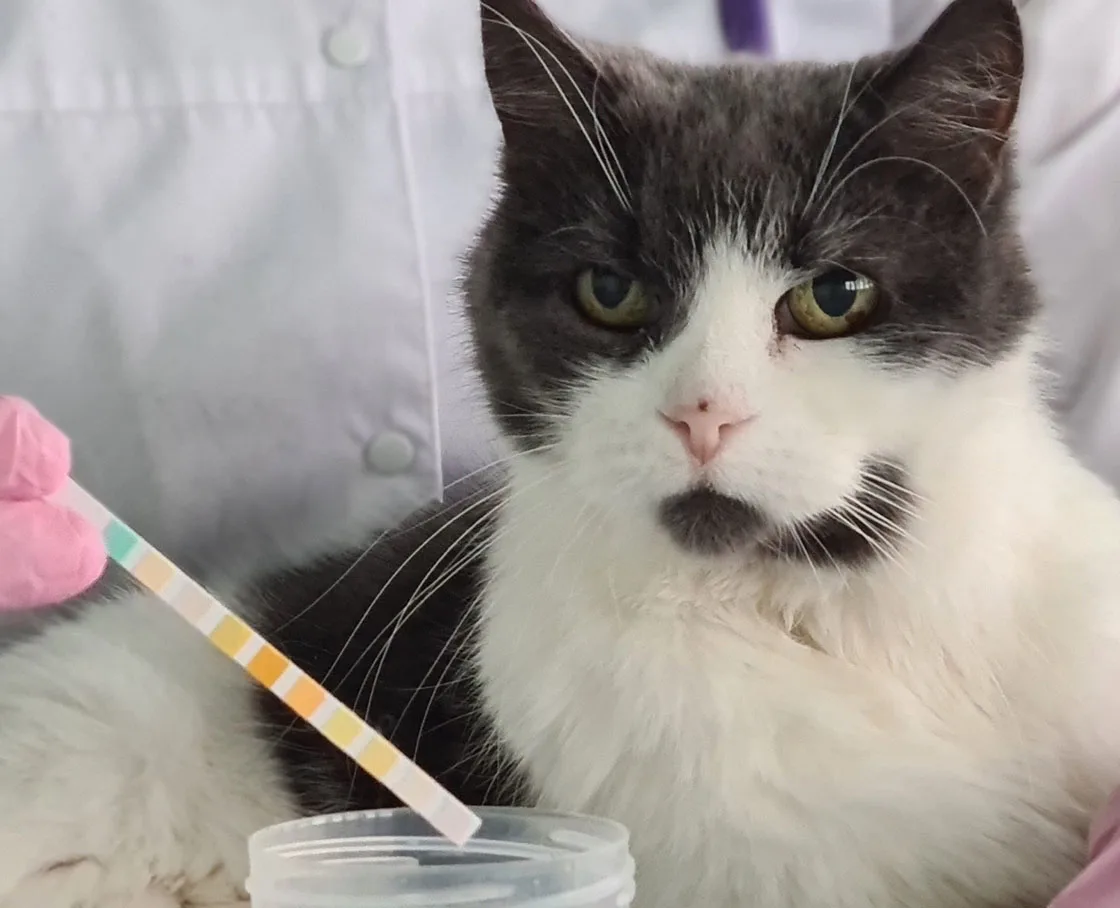
Conditions Treated by Veterinary Internal Medicine
Veterinary internists diagnose and manage conditions affecting many areas of the body.
Gastrointestinal and Pancreatic Conditions
Chronic vomiting or diarrhea
Inflammatory bowel disease
Pancreatitis
Gastrointestinal bleeding
Difficulty swallowing
Esophageal disease
Poor nutrient absorption
Unexplained appetite or weight changes
Gastrointestinal foreign material or narrowing
Liver and Gallbladder Conditions
Liver inflammation
Liver failure
Jaundice
Gallbladder disease
Abnormal liver enzymes
Congenital or acquired liver disorders
Kidney and Urinary Conditions
Acute or chronic kidney disease
Kidney failure
Bladder disease
Recurrent urinary tract infections
Urinary stones
Protein loss through the kidneys
Difficulty urinating
Excessive thirst or urination
Endocrine and Metabolic Conditions
Diabetes mellitus
Diabetic ketoacidosis
Cushing’s disease
Addison’s disease
Thyroid disorders
Adrenal gland disorders
Electrolyte imbalances
Calcium disorders
Respiratory Conditions
Chronic coughing
Asthma
Pneumonia
Chronic nasal discharge
Upper-airway disease
Bronchial or lung disease
Unexplained breathing difficulty
Fluid within or around the lungs
Immune-Mediated, Infectious, and Blood Disorders
Immune-mediated disease
Anemia
Bleeding or clotting disorders
Platelet disorders
Bone marrow disease
Fever of unknown origin
Leptospirosis
Lyme disease
Systemic fungal or bacterial infections
Recurrent or unusual infections
Complex and Multisystem Conditions
Unexplained illness affecting multiple organs
Persistent fever or inflammation
Conditions that have not responded to standard treatment
Suspected cancer requiring diagnostic evaluation
Significant unexplained weight loss
Chronic weakness or lethargy
Nutritional disorders requiring specialized support
Diagnosing and Treating Internal Conditions
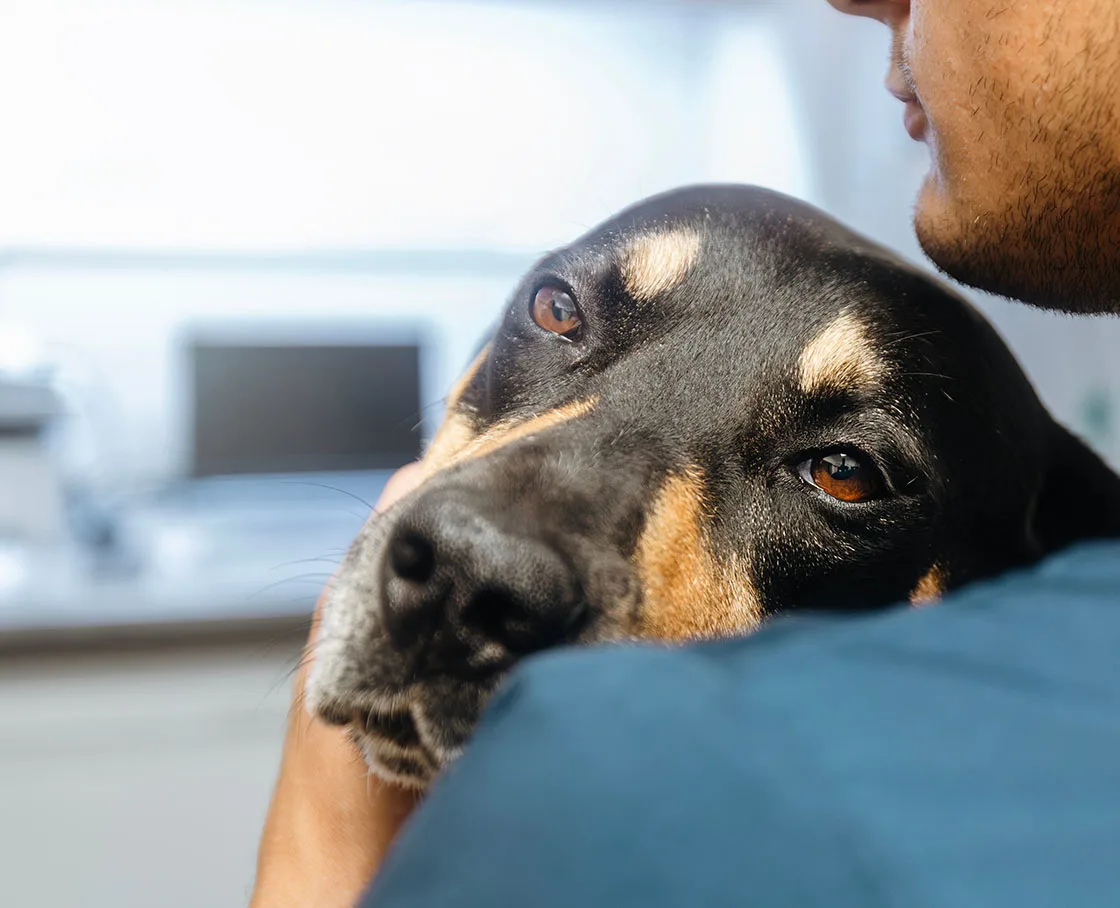
An internal medicine evaluation begins with a detailed review of your pet’s symptoms, medical history, previous test results, medications, diet, and response to earlier treatments. The internist will then perform a physical examination and develop a diagnostic plan based on the findings.
The internal medicine services available at Shane Veterinary Medical Center include:
- Internal medicine services provided by Waves Mobile ACVIM
What to Expect During an Internal Medicine Appointment
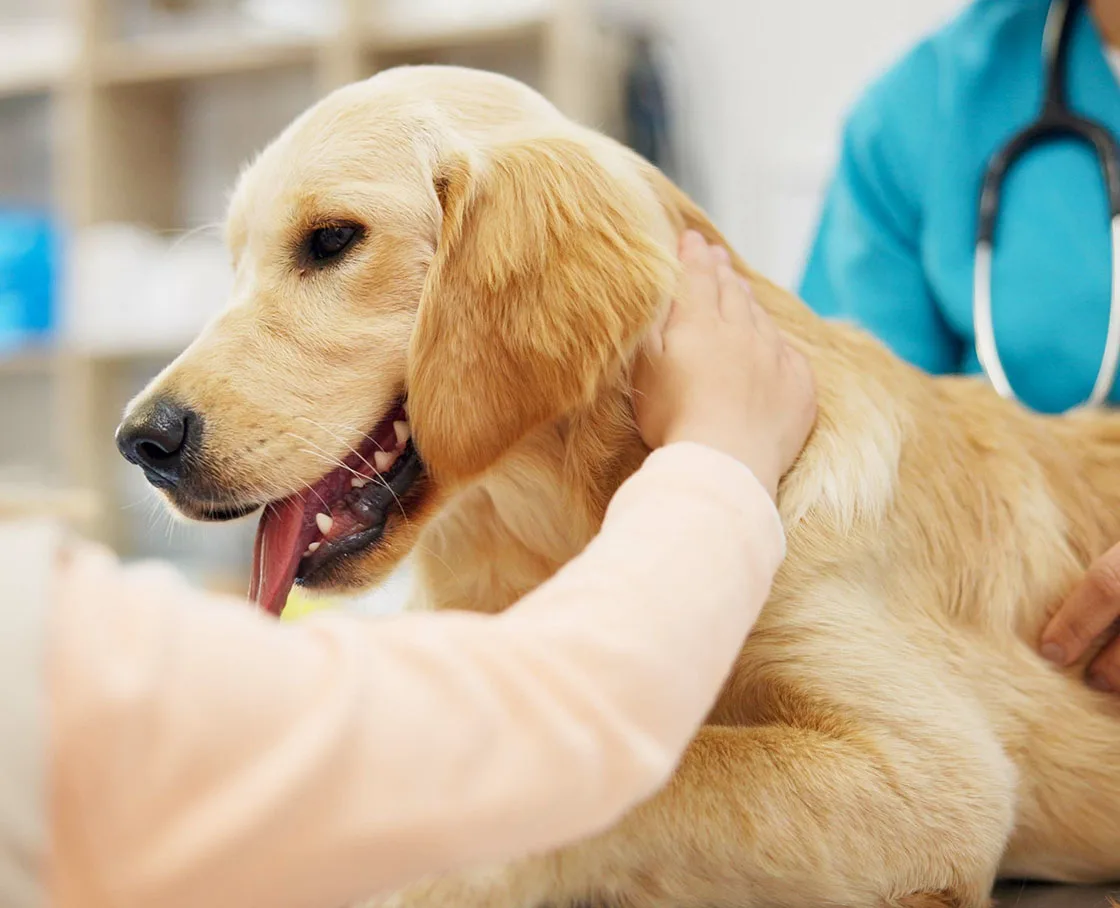
During the initial consultation, the internal medicine team will review your pet’s medical history, previous diagnostic results, medications, diet, and current symptoms. The internist will perform a thorough physical examination and discuss the primary concerns with you.
Additional diagnostic testing can be recommended to confirm a suspected condition, rule out other possible causes, or determine the severity of an existing disease. Testing can sometimes be completed during the initial visit, while certain procedures require advance preparation, sedation, anesthesia, or a separate appointment.
Once the available information has been reviewed, the internist will discuss:
Suspected or confirmed diagnoses
Recommended diagnostic testing
Treatment options
Expected outcomes or prognosis
Medication instructions
At-home monitoring
Follow-up care
Signs that require urgent attention
Whenever possible, the internal medicine team will share findings and recommendations with your pet’s primary care veterinarian to support coordinated care.
Developing an Internal Medicine Treatment Plan
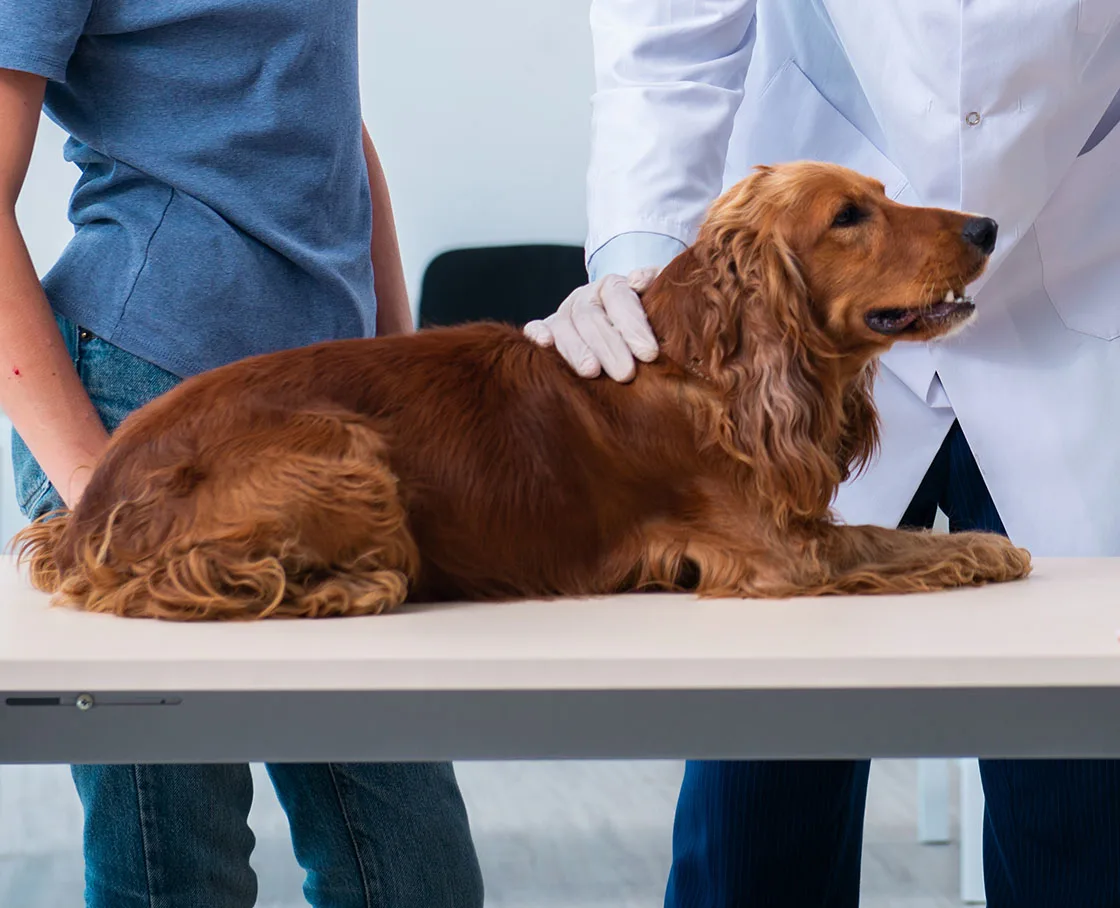
Once a diagnosis is established, the internal medicine team will explain the findings and discuss available treatment options. Some conditions can be treated and resolved, while chronic or progressive diseases require ongoing management.
Treatment can involve:
Prescription medications
Fluid therapy
Nutritional support
Feeding-tube support
Blood or plasma transfusions
Management of endocrine disease
Treatment of infectious or immune-mediated disease
Oxygen or respiratory support
Minimally invasive procedures
Management of kidney, liver, or pancreatic disease
At-home monitoring
Repeat laboratory testing or diagnostic imaging
Coordination with the primary care veterinarian
Consultation with other veterinary specialists
The treatment plan will be adjusted according to your pet’s response, quality of life, and changing medical needs.
Frequently Asked Questions
What does a veterinary internal medicine specialist do?
A veterinary internist diagnoses and treats complex conditions involving a pet’s internal organs and bodily systems. Internists often evaluate chronic, unexplained, or multisystem illnesses and perform advanced diagnostic procedures.
What is the difference between a veterinary internist and a primary care veterinarian?
Primary care veterinarians diagnose and manage many common illnesses. Veterinary internists complete additional specialty training focused on complicated internal diseases, advanced diagnostics, minimally invasive procedures, and long-term disease management.
Why was my pet referred to an internal medicine specialist?
Your veterinarian may recommend an internist when your pet’s symptoms are difficult to explain, a condition is not responding as expected, specialized testing is needed, or the illness involves multiple organs or systems.
What conditions do veterinary internists treat?
Veterinary internists treat gastrointestinal, liver, kidney, urinary, respiratory, endocrine, immune-mediated, infectious, pancreatic, and blood disorders. They also investigate unexplained symptoms and illnesses affecting multiple systems.
Will my pet need to stay in the hospital?
Hospitalization depends on your pet’s condition and the testing or treatment required. Some pets return home after an outpatient consultation, while others require monitoring, intravenous medication, nutritional support, oxygen, or intensive care.
Can internal medicine help when previous tests have not found an answer?
Yes. Veterinary internists are trained to evaluate difficult or unusual cases, review previous testing, identify patterns across multiple systems, and determine whether additional or more specialized diagnostics are appropriate.
Can chronic internal diseases be cured?
Some internal diseases can be resolved, while others require long-term management. Treatment is designed to control symptoms, address the underlying condition when possible, reduce complications, and support the pet’s comfort and quality of life.
Will the internist communicate with my pet’s regular veterinarian?
Veterinary internists commonly work with primary care veterinarians. Diagnostic findings, treatment recommendations, medication instructions, and follow-up plans can be shared to help coordinate care.
How often will my pet need follow-up appointments?
Follow-up frequency depends on the diagnosis, treatment, medications, and response to care. Some pets need short-term rechecks, while those with chronic conditions require periodic laboratory testing, imaging, or specialist evaluations.
Book an Appointment at Shane Veterinary Medical Center
New pets are always welcome at Shane Veterinary Medical Center. Our friendly veterinary staff looks forward to providing our neighbors in the area and surrounding communities with the veterinary care they need.
